Last Updated: May 7, 2026
Air Force Veterans and Mesothelioma: Understanding Asbestos Exposure Risks
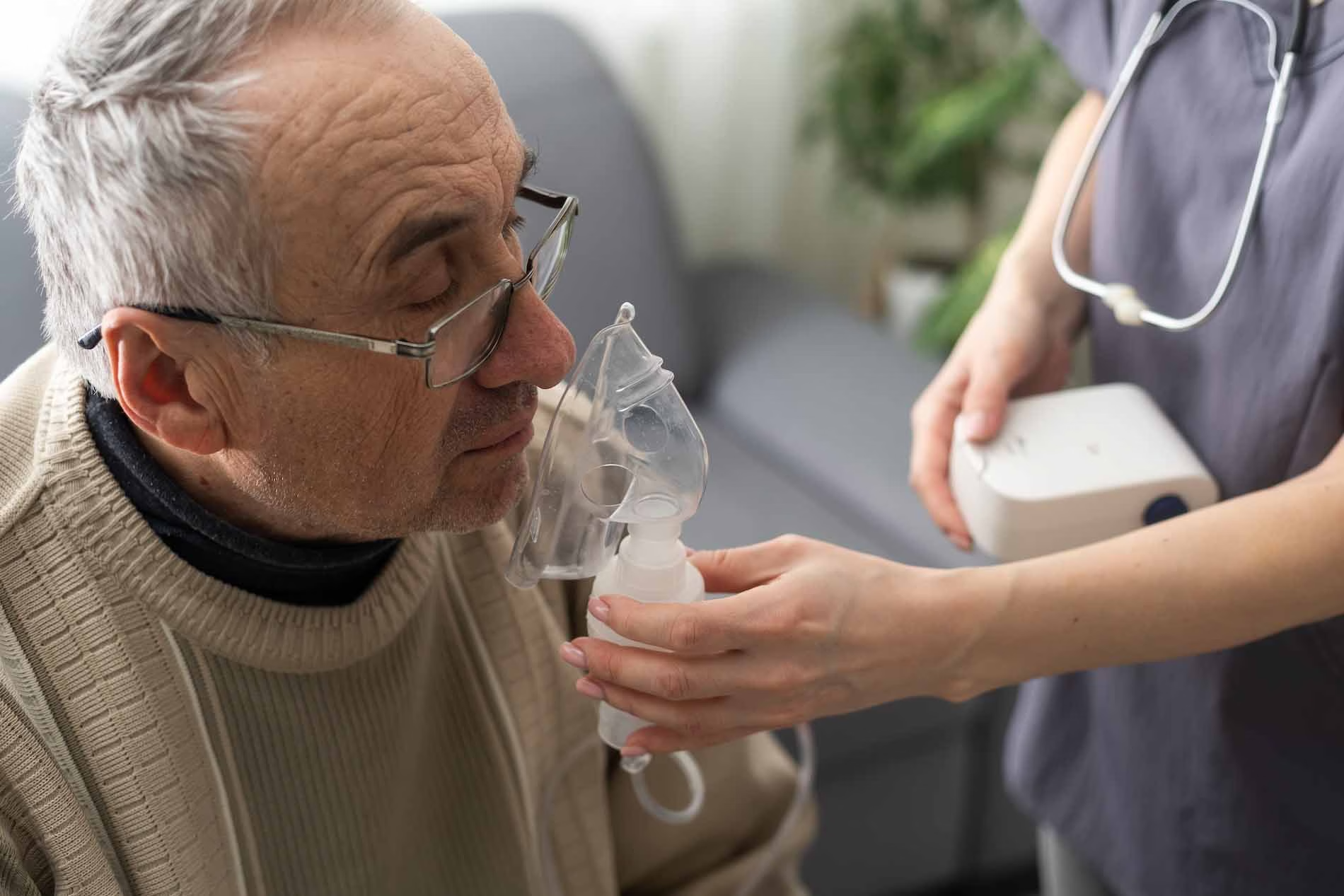
Mesothelioma represents one of the most devastating consequences of asbestos exposure among Air Force veterans. This rare and aggressive cancer affects the protective lining of vital organs, including the lungs (pleural mesothelioma), abdomen (peritoneal mesothelioma), and in rarer cases, the heart or testes. For thousands of Air Force personnel who served between the 1940s and 1980s, occupational asbestos exposure has led to life-altering diagnoses decades after their military service ended.
The microscopic asbestos fibers that cause mesothelioma become airborne when asbestos-containing products are disturbed, handled, or damaged during routine military operations. Air Force veterans face particularly high risks due to widespread asbestos use in aircraft components, base construction materials, and military equipment throughout the mid-20th century.
As Air Force veteran Dave Knapp, a pleural mesothelioma survivor, once said, “I live day to day. Mesothelioma is a fight. And I have a lot going in my life to make it worth the fight.” His words reflect the courage and determination of countless veterans battling this preventable disease.
High-Risk Air Force Bases with Known Asbestos Exposure
Numerous Air Force installations have documented histories of asbestos contamination, putting service members at significant risk during their tours of duty. Veterans who served at these locations may be eligible for compensation under 38 CFR asbestos exposure regulations:
Common Sources of Asbestos Exposure in Air Force Operations
Understanding how asbestos exposure occurred helps veterans recognize their risks and pursue appropriate benefits under 38 CFR asbestos exposure guidelines. The following military operations presented the highest exposure risks:
Aircraft Maintenance and Repair Operations
Aircraft mechanics, sheet metal workers, and maintenance crews faced daily exposure through brake pads, gaskets, engine heat shields, and insulation materials. Disturbing these components during routine maintenance released dangerous asbestos fibers into hangars and work areas.
Base Construction and Infrastructure Maintenance
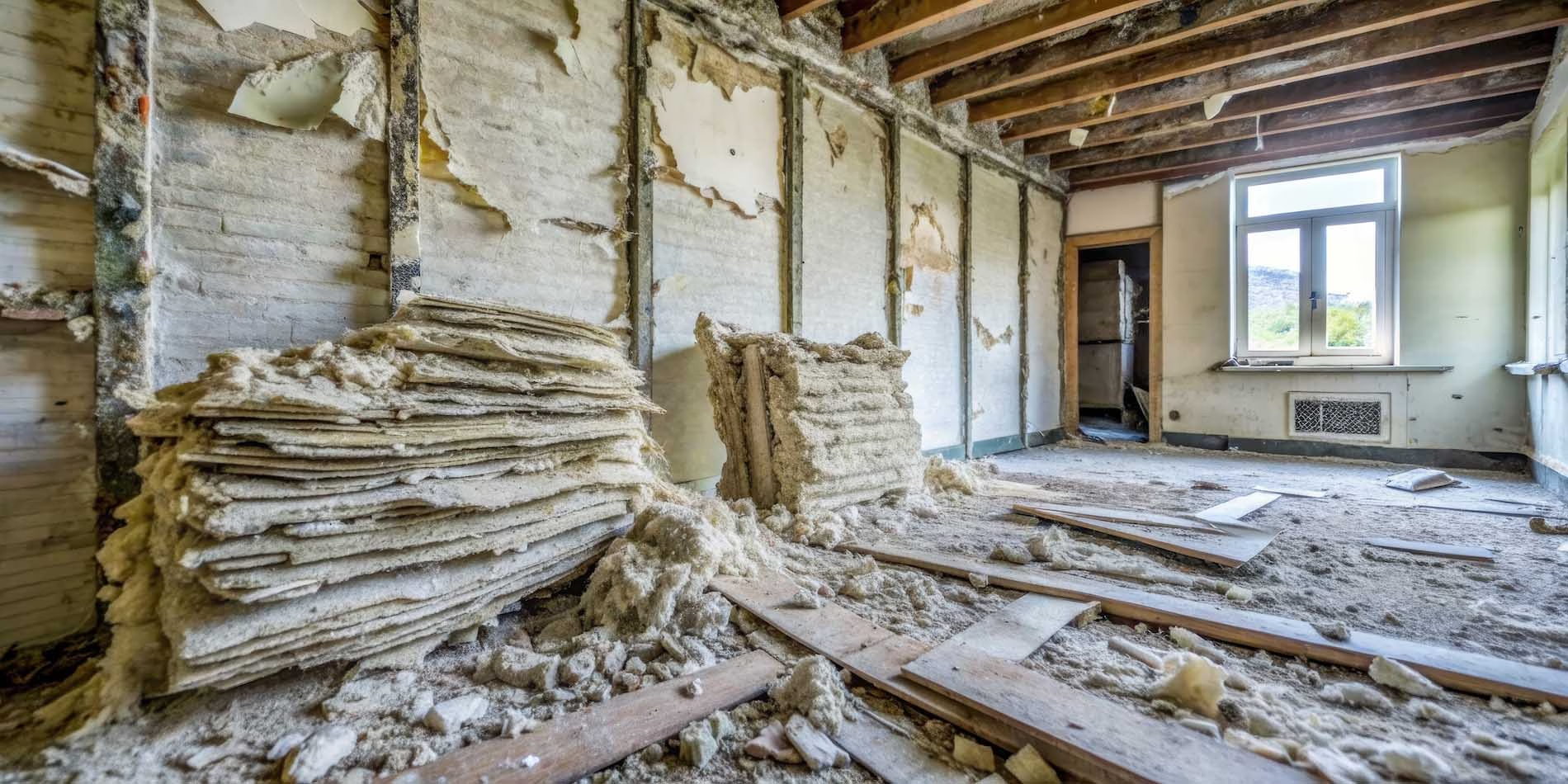
Asbestos-containing materials were standard in military construction projects, including barracks, administrative buildings, and housing units. Personnel involved in construction, renovation, or demolition work encountered significant exposure risks from ceiling tiles, floor materials, and pipe insulation.
Heating and Power System Operations
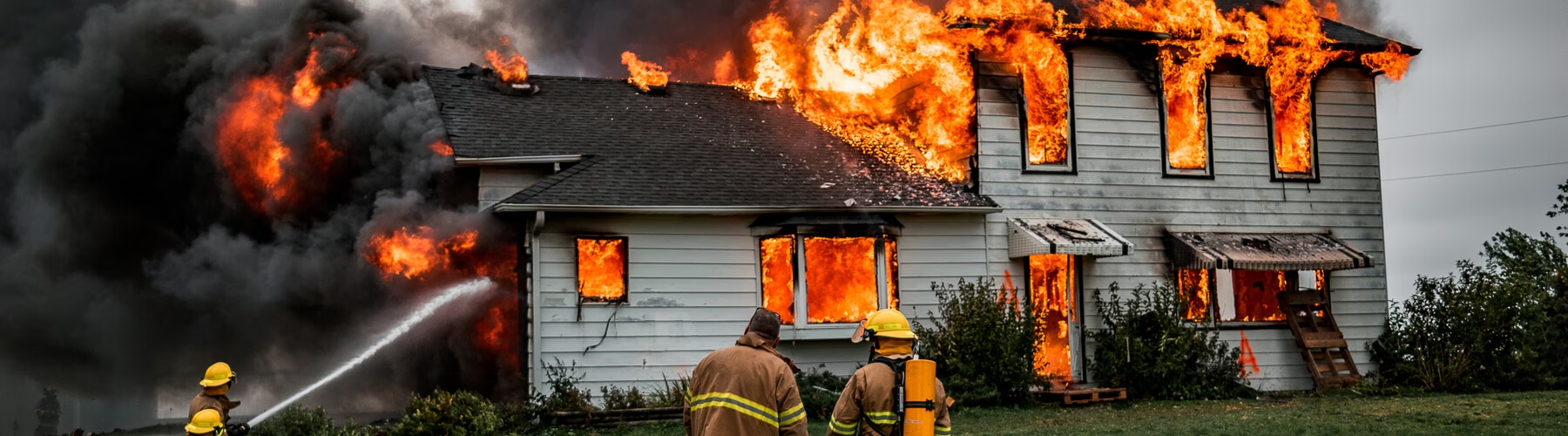
Boiler maintenance workers, HVAC technicians, and facility engineers regularly handled asbestos-based insulation in heating systems and power generation equipment. Firefighters also faced exposure risks when responding to incidents involving asbestos-containing building materials.
Combat Operations and Aircraft Storage Facilities
Veterans serving in combat zones or aircraft boneyards, such as Davis-Monthan Air Force Base, encountered disturbed asbestos through damaged infrastructure and aging equipment. These environments often involved widespread asbestos contamination.
Ongoing Asbestos Exposure Risks for Air Force Veterans
The latency period for mesothelioma typically ranges from 20 to 60 years after initial exposure, meaning veterans continue facing diagnosis risks decades after service. While the military began reducing asbestos use in the 1970s, many installations retained asbestos-containing materials well into subsequent decades.
Veterans who worked on aging aircraft or in older facilities at bases like Lowry Air Force Base, Wright-Patterson Air Force Base, and Griffiss Air Force Base may still encounter exposure risks. Secondary exposure also occurs when asbestos fibers transfer on uniforms, equipment, or personal items, potentially affecting family members.
Recognizing Asbestos-Related Symptoms in Air Force Veterans
Early symptom recognition is crucial for Air Force veterans seeking timely medical intervention and benefit claims under 38 CFR asbestos exposure provisions. Symptoms often emerge decades after military service, making medical monitoring essential for at-risk veterans.
Primary Warning Signs Include:
- Persistent shortness of breath or wheezing
- Chronic dry cough with chest pain
- Unexplained fatigue or significant weight loss
- Difficulty swallowing or voice changes
- Recurring respiratory infections
- Facial or neck swelling
- Hemoptysis (coughing blood) in advanced cases
Veterans experiencing these symptoms, particularly those with maintenance, engineering, or facility operations backgrounds, should seek immediate medical evaluation for potential mesothelioma, asbestosis, or lung cancer.
Highest Risk Air Force Career Fields
Certain military occupational specialties involved extensive contact with asbestos-containing materials, creating elevated exposure risks that may qualify veterans for benefits under 38 CFR asbestos exposure regulations.
Career Fields with Greatest Exposure Risk:
- Aircraft maintenance and sheet metal specialists
- Electrical systems and engine repair technicians
- HVAC and boiler maintenance personnel
- Vehicle and brake system mechanics
- Civil engineering and construction workers
- Fire protection specialists
- Communications and radar equipment technicians
- Personnel assigned to aging barracks and facilities
These positions required regular handling of asbestos insulation, brake components, gaskets, electrical wiring, and building materials, creating sustained exposure over entire military careers.
Filing Claims for Military Asbestos Exposure
Veterans diagnosed with asbestos-related diseases may qualify for VA disability benefits, legal compensation, or both. Understanding 38 CFR asbestos exposure requirements helps ensure successful claim outcomes.
Essential Steps for Filing Claims:
- Obtain formal medical diagnosis confirming mesothelioma, asbestosis, or asbestos-related cancer
- Compile complete military service records documenting job assignments, units, and base locations
- Work with experienced attorneys specializing in military asbestos cases
- Document specific exposure incidents and hazardous materials contact
- Gather witness statements from fellow service members when possible
- Submit claims promptly to preserve legal rights and evidence
[INTERNAL LINK: VA disability benefits for asbestos exposure] Veterans should also explore [INTERNAL LINK: mesothelioma legal compensation options] beyond VA benefits to maximize available financial support for treatment and family needs.
Legal Support for Air Force Veterans with Mesothelioma
At Serling & Abramson, P.C., we understand the unique challenges Air Force veterans face when pursuing compensation for asbestos-related diseases. Our experienced legal team helps veterans navigate both VA benefit claims under 38 CFR asbestos exposure regulations and civil litigation against responsible manufacturers.
If you or a loved one served in the Air Force and received a mesothelioma diagnosis, contact our firm for a confidential consultation. We’re committed to securing the compensation and benefits veterans deserve while holding negligent parties accountable for preventable asbestos exposure.
US Air Force FAQs
How were Air Force Veterans exposed to asbestos in military equipment and products?
When asbestos is present and disturbed, the fibers release into the air and are easily inhaled. In maintenance, repair, installation, removal and use of products that contained asbestos, members of the Air Force were exposed to asbestos and thus placed at higher risk for asbestos-related diseases such as mesothelioma and lung cancer.
What are the potential health risks for Air Force veterans exposed to asbestos?
The potential health risks for Air Force veterans exposed to asbestos include asbestos-related diseases such as mesothelioma and lung cancer. These diseases have long latency periods and may not reveal themselves for decades after military service has been completed.
Which occupations within the Air Force faced significant risk of asbestos exposure?
Occupations in the Air Force with higher risk of asbestos exposure include mechanics, pilots, aircraft electricians, boiler workers, construction workers, environment support specialists, engineers, firefighters, welders, and others directly working with asbestos-containing parts and materials.