Legally Reviewed and Fact Checked by:
Eric B. Abramson , President, Shareholder & Trial Attorney
Published: November 6, 2017 · Last Updated: May 11, 2026
Understanding Asbestos Exposure: A Complete Guide to Risks, Types, and Health Dangers
Asbestos exposure remains one of the most serious occupational health hazards in America, affecting thousands of workers and their families across Michigan and nationwide. This comprehensive guide to asbestos exposure provides essential information about the six types of asbestos, where it’s commonly found, and the life-threatening health risks it poses. If you or a loved one has been diagnosed with mesothelioma, lung cancer, or other asbestos-related diseases, understanding these dangers is crucial for protecting your health and legal rights.
What Is Asbestos and Where Does It Come From?
Asbestos is a naturally occurring mineral found worldwide, prized throughout the 20th century for its heat resistance, durability, and insulating properties. During the 1960s, asbestos mining reached its peak with over 100 mines operating across the United States.
These open-pit mining operations released asbestos fibers into the air during extraction and processing, exposing entire communities and workers to dangerous levels of contamination. The processed asbestos was then incorporated into thousands of products to enhance their fire resistance and durability.
The Six Types of Asbestos: Complete Classification Guide
There are six primary types of asbestos, classified into two main categories based on their fiber structure: amphibole asbestos (straight, stiff, needle-like fibers) and serpentine asbestos (curved, flexible fibers).
Chrysotile Asbestos (White Asbestos)
Chrysotile represents 90-95% of all asbestos used in U.S. buildings, making it the most common type encountered. This serpentine asbestos was extensively used in:
Construction materials and cement products
Navy ships and maritime applications
Automotive brake pads and clutches
Roofing materials and insulation
Textiles and fireproof fabrics
Amosite Asbestos (Brown Asbestos)
The second most common asbestos type in the United States, amosite amphibole asbestos comprises approximately 5% of building materials. It was frequently found in:
Shipbuilding industry applications
Thermal and electrical insulation
Cement sheets and fireproof products
Floor tiles and roofing materials
Industrial gaskets and insulation boards
Crocidolite Asbestos (Blue Asbestos)
Considered the most dangerous asbestos type, crocidolite amphibole asbestos features extremely fine, sharp fibers that are easily inhaled. A major risk factor associated with lung cancer is exposure to this particularly hazardous form of asbestos. It appeared in:
Limited commercial applications due to poor heat resistance
Some insulation products
Cement and tile materials
Tremolite Asbestos
This amphibole asbestos, ranging from milky white to dark green, wasn’t commonly used commercially but contaminated other products, including:
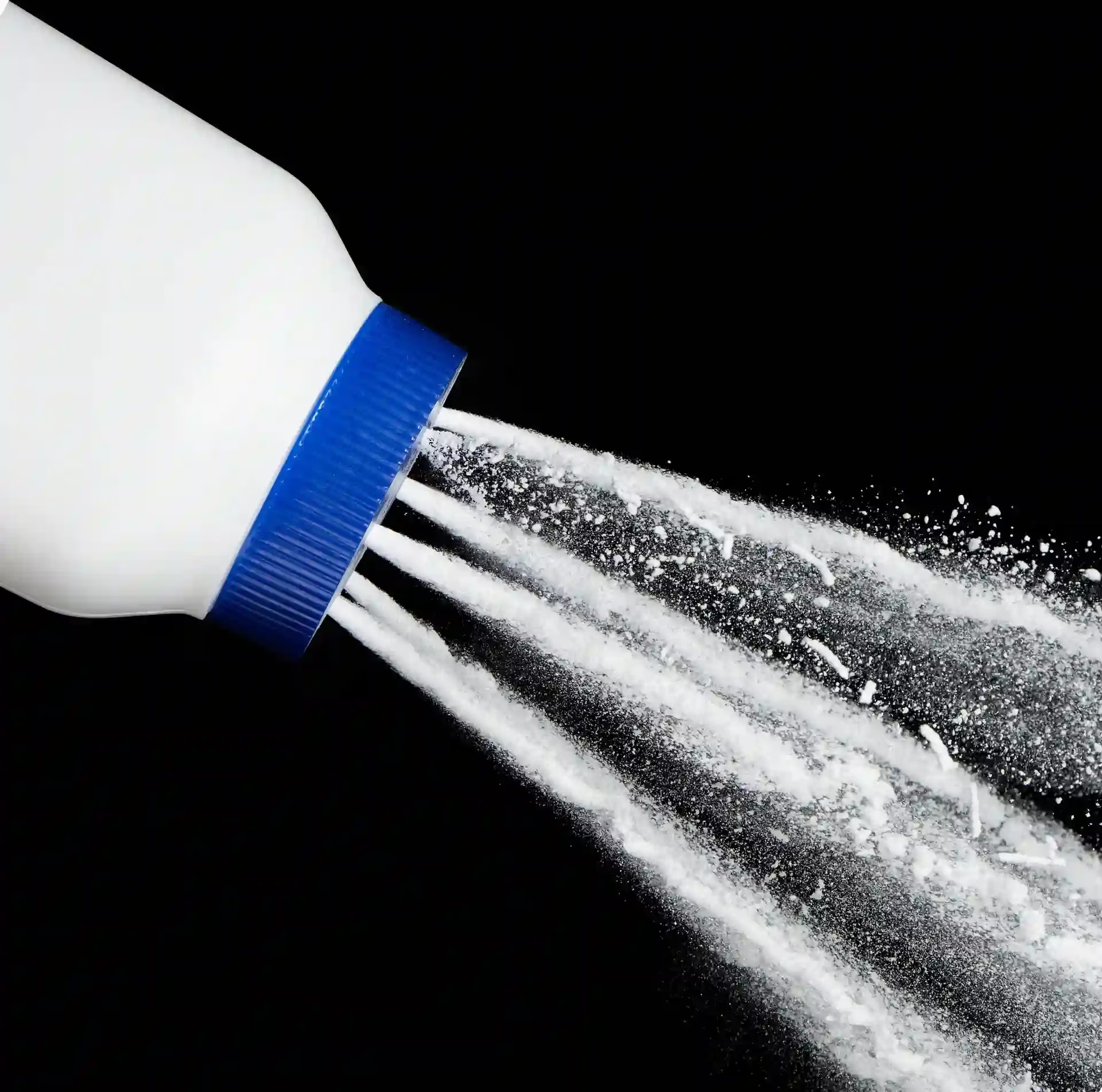
Talc-based cosmetics and baby powder
Vermiculite deposits
Sealants and plumbing materials
Some roofing products
Actinolite Asbestos
A rare, dark brown amphibole asbestos containing iron, silicon, and magnesium, found in:
Cement products
Paint and coatings
Insulation materials
Drywall compounds
Anthophyllite Asbestos
The rarest asbestos type, this yellow or brown amphibole asbestos had limited commercial use, occasionally appearing in specialized insulation and cement products.
Friable vs. Non-Friable Asbestos: Understanding the Critical Difference
Friable asbestos refers to asbestos-containing materials that may be easily broken apart by hand, releasing fibers into the air. This classification is crucial for understanding exposure risk and abatement requirements.
Friable Asbestos Materials (High Risk)
Friable asbestos poses immediate danger because it readily releases fibers when disturbed. Common friable materials include:
Spray-applied insulation and fireproofing
Thermal pipe insulation
Boiler insulation
Acoustical ceiling tiles
Some joint compounds
Non-Friable Asbestos Materials (Lower Risk)
Non-friable asbestos materials are more stable but can become dangerous if damaged or deteriorated:
Vinyl floor tiles and sheet flooring
Roofing shingles and felt
Cement siding and pipes
Window glazing compounds
Common Locations of Asbestos Exposure
Throughout the 20th and into the 21st century, workplaces and homes across America contained asbestos products. Common exposure sites include:
Industrial workplaces: Power plants, refineries, steel mills
Construction sites: Both commercial and residential projects
Shipyards: Naval vessels and commercial ships
Schools and public buildings: Built before 1980
Homes: Particularly those constructed before 1980
Automotive facilities: Brake and clutch repair shops
Why Asbestos Is Extremely Dangerous to Human Health
Asbestos gained widespread use due to its exceptional properties: heat and chemical resistance, fireproofing capabilities, and excellent insulation performance. However, these same qualities that made asbestos valuable also make it deadly.
Asbestos consists of microscopic fibers that, when inhaled or ingested, become permanently trapped in the human body. The body cannot naturally eliminate these fibers, leading to decades of cellular damage and inflammation. This biological inability to clear asbestos fibers results in serious asbestos-related diseases that may not manifest for 20-50 years after initial exposure.
Serious Health Risks and Diseases From Asbestos Exposure
The asbestos exposure health risks are severe and well-documented by medical research. mesothelioma diagnosis and other asbestos-related conditions include:
Mesothelioma: A rare, aggressive cancer affecting the lining of the lungs, abdomen, or heart
Lung Cancer: Significantly increased risk, especially among smokers
Asbestosis: Progressive scarring of lung tissue causing breathing difficulties
Other cancers: Including laryngeal, ovarian, and gastrointestinal cancers
Pleural diseases: Pleural plaques, effusions, and thickening
These illnesses can develop decades after initial exposure, meaning individuals may not realize they were harmed by asbestos until years later. asbestos disease symptoms can appear 20-50 years after exposure.
Building Materials and Products Containing Asbestos
Asbestos was incorporated into thousands of construction and industrial products due to its fire-resistant and insulating properties. Common asbestos-containing building materials include:
Insulation materials: Pipe, boiler, and attic insulation
Flooring: Vinyl tiles, sheet flooring, and adhesives
Roofing: Shingles, felt, and coatings
Cement products: Siding, pipes, and sheets
Textiles: Fire-resistant fabrics and protective clothing
Automotive parts: Brake pads, clutches, and gaskets
Professional Asbestos Abatement and Safety Measures
When asbestos is discovered, proper abatement procedures are essential to prevent fiber release and protect public health. Professional abatement involves:
Comprehensive testing and assessment
Containment and air monitoring
Safe removal by certified professionals
Proper disposal at approved facilities
Post-abatement air quality testing
Never attempt to remove or disturb suspected asbestos materials yourself. asbestos exposure prevention requires professional expertise and specialized equipment.
Legal Rights for Asbestos Exposure Victims
If you’ve been diagnosed with asbestos-related diseases, you may have legal rights to compensation. Many companies knew about asbestos dangers but failed to warn workers and consumers, making them liable for resulting illnesses.
Michigan asbestos lawyers can help you understand your options and pursue justice for asbestos-related injuries. Time limits apply to legal claims, so prompt action is essential.
Related Articles
June 18, 2023
Honoring Fathers Affected by Asbestos Exposure & Mesothelioma
Understanding the Risk: Fathers & Asbestos Exposure Father’s Day is a time to celebrate the strength, love, and sacrifices of fathers in all forms. Observed on the third Sunday of June, this special day is dedicated to honoring fatherhood, paternal...
Talcum powder and cancer risk are back in the spotlight in 2025, as new research reignites debate over the safety of this once-common household product.