Published: August 22, 2022 · Last Updated: May 11, 2026
Johnson & Johnson Discontinues Talc-Based Baby Powder Worldwide
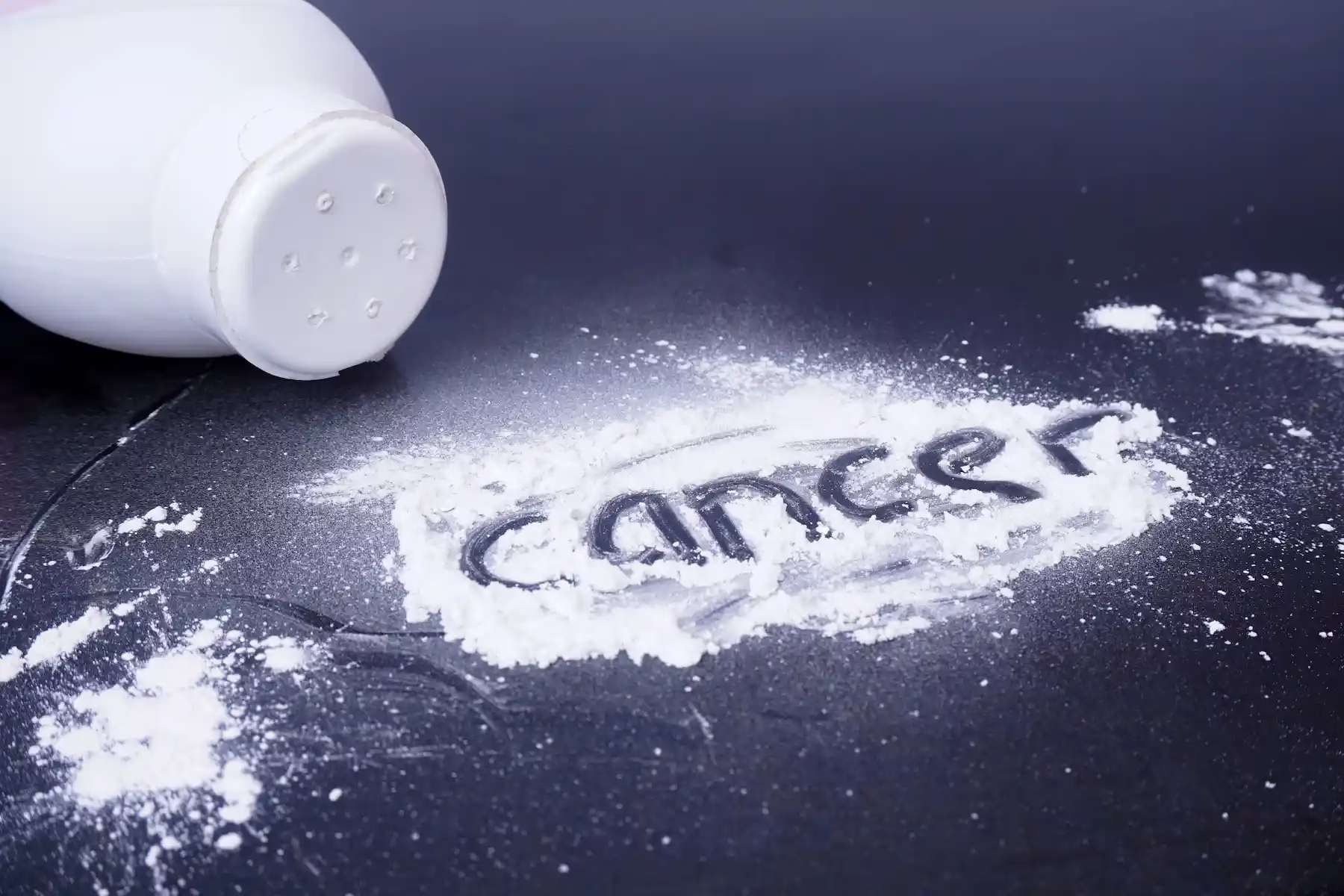
After decades of asbestos litigation and mounting legal pressure, Johnson & Johnson announced in August 2022 the global discontinuation of its iconic talc-based baby powder. This landmark decision marks the end of an era for a product that has been a household staple for over a century, but has become increasingly linked to serious health risks including mesothelioma and ovarian cancer.
The Asbestos Connection in Johnson & Johnson Baby Powder
Talcum powder, the primary ingredient in traditional Johnson & Johnson baby powder, is a naturally occurring mineral that often develops in proximity to asbestos deposits. This geological relationship has led to cross-contamination, with asbestos fibers found in talc products. When women use baby powder as a dusting powder in their genital areas to maintain dryness, they may unknowingly expose themselves to these dangerous fibers.
The health implications of this exposure have been devastating. Asbestos exposure through contaminated talc products has been linked to:
Ovarian cancer in women who used talc-based products for feminine hygiene
Mesothelioma, a rare and aggressive cancer affecting the lining of organs
Other asbestos-related diseases affecting the respiratory system
Timeline of Johnson & Johnson’s Talc Product Changes
The company’s retreat from talc-based formulations didn’t happen overnight. Johnson & Johnson first discontinued sales of its talc-based baby powder in North America in 2020, citing declining demand and what the company called “misinformation” about the product’s safety. However, the 2022 announcement extended this policy globally.
This worldwide shift represents Johnson & Johnson’s complete transition to cornstarch-based baby powder formulations. Cornstarch, derived from corn, poses no known asbestos contamination risk and provides similar moisture-absorbing properties.
Extensive Litigation History
The decision to discontinue talc-based baby powder comes after years of intense legal battles. Johnson & Johnson has faced thousands of lawsuits from individuals claiming their talc products were contaminated with asbestos and caused their cancers. These cases have resulted in significant jury verdicts, including several multi-million dollar awards to plaintiffs.
Many of these lawsuits have focused on:
The company’s knowledge of potential asbestos contamination in their talc supply
Failure to adequately warn consumers about health risks
Marketing practices that encouraged genital use of talc products
Internal documents suggesting awareness of contamination issues
Understanding the Health Risks
For decades, millions of women regularly used Johnson’s baby powder and similar talc-based products for personal hygiene. The routine application of these products in intimate areas created a pathway for asbestos fiber exposure that many users never suspected.
Mesothelioma and ovarian cancer can develop years or even decades after initial asbestos exposure, making it difficult for patients to immediately connect their illness to past talc use. mesothelioma symptoms This latency period has been a crucial factor in many legal cases.
Current Status and Consumer Alternatives
With the global discontinuation of talc-based formulations, consumers seeking baby powder products can now find cornstarch-based alternatives from Johnson & Johnson and other manufacturers. These products offer similar benefits without the potential asbestos contamination risks associated with talc.
Other safer alternatives include:
Cornstarch-based powders from various manufacturers
Arrowroot powder-based products
Rice starch formulations
Baking soda-based powders
Legal Rights for Affected Individuals
Individuals who developed mesothelioma, ovarian cancer, or other asbestos-related diseases after using talc-based baby powder may have legal options. talcum powder lawsuits The discontinuation of these products by Johnson & Johnson represents an acknowledgment of the concerns that have driven litigation for years.
If you or a loved one used Johnson & Johnson baby powder or other talc-based products and later developed cancer, it’s important to understand your legal rights. asbestos exposure compensation Time limits apply to filing these claims, making prompt legal consultation essential.
Moving Forward After the Talc Era
The end of talc-based baby powder production by Johnson & Johnson marks a significant milestone in consumer product safety. While this decision comes too late for many individuals who suffered health consequences from asbestos-contaminated talc products, it prevents future exposures and acknowledges the legitimate health concerns raised by affected families and their advocates.
For those dealing with the aftermath of talc-related illness, legal remedies remain available. Michigan mesothelioma lawyers Experienced attorneys can help evaluate cases and pursue compensation for medical expenses, lost income, pain and suffering, and other damages related to asbestos exposure through contaminated talc products.
Related Articles
January 21, 2026
Understanding Talcum Powder Safety: What Families Need to Know
Concerns over talcum powder safety have grown due to potential asbestos contamination and cancer risks. This guide explains the facts, legal developments, and safer alternatives.
If you or a loved one was exposed to asbestos and developed mesothelioma or lung cancer, our Michigan-based personal injury attorneys are here to help you secure compensation and justice.