2026 Update: Talcum Powder & Cancer Risk
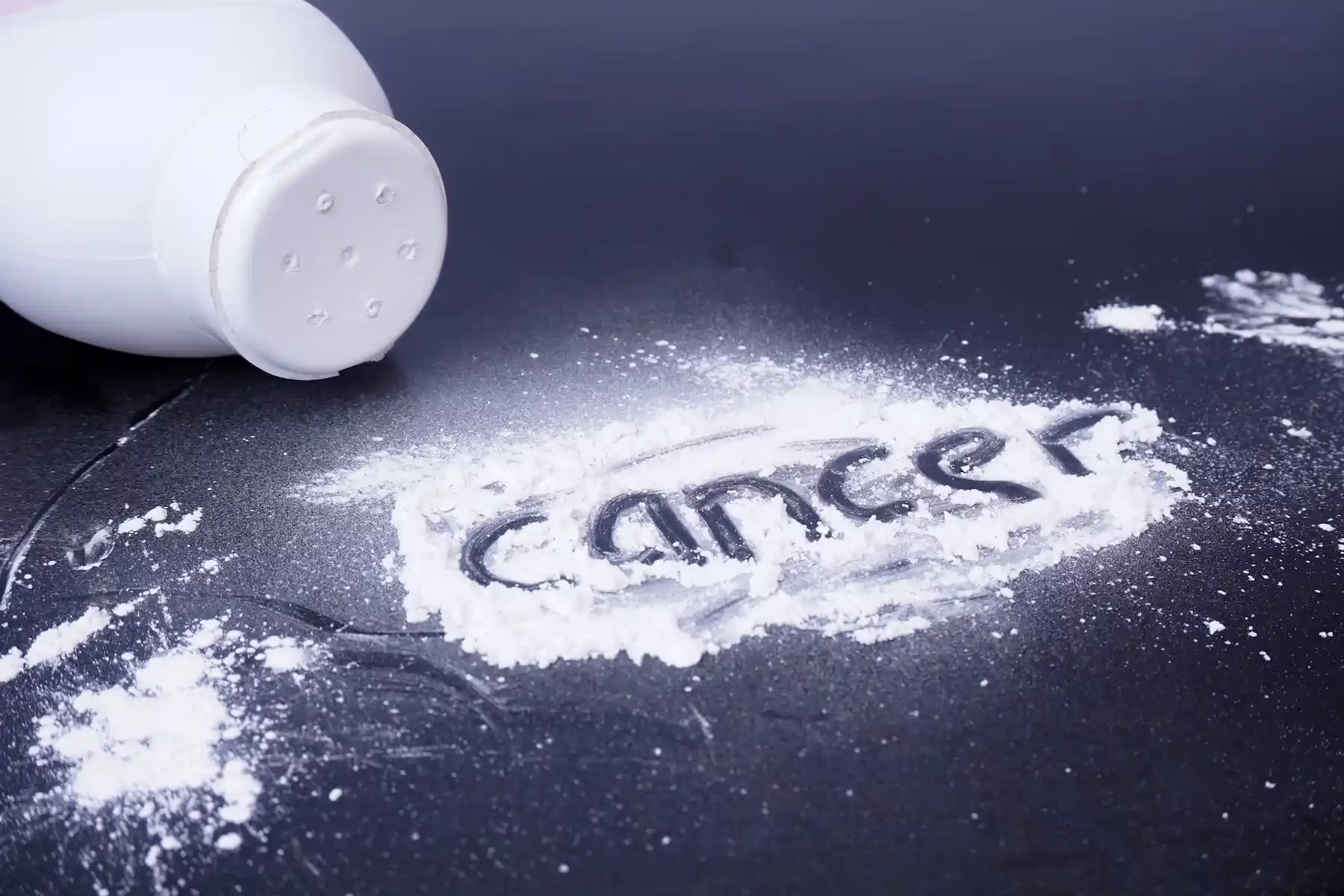
Talcum powder and cancer risk are back in the spotlight in 2025, as new research reignites debate over the safety of this once-common household product.
Millions of smokers unknowingly inhaled asbestos from Kent Micronite filters in the 1950s. Decades later, victims face deadly diseases like mesothelioma and lung cancer. If you or a loved one were exposed, learn about your legal rights, compensation options, and how to file a claim.
Is Talcum Powder Safe to Use? Understanding Asbestos Contamination Risks Many consumers wonder: is talcum powder safe to use? From athletes using body powder to reduce sweat to musicians preventing finger slippage, talc powder serves numerous purposes. However, documented connections…
How Talcum Powder Is Made: Understanding Ingredients, Safety Risks, and Legal Options Understanding how talcum powder is made and what talcum powder ingredients are used is crucial for consumers facing serious health concerns linked to these products. With mounting evidence…
Understanding the Talcum Powder Crisis: A Timeline of Revelations For generations, talcum powder was considered a household essential—trusted by millions of families for baby care and personal hygiene. However, mounting evidence has revealed a darker reality: talcum powder may contain…
Concerns over talcum powder safety have grown due to potential asbestos contamination and cancer risks. This guide explains the facts, legal developments, and safer alternatives.
Mesothelioma is a rare but aggressive cancer almost exclusively caused by exposure to asbestos. Detecting this disease early can significantly improve patient outcomes, yet many people don’t realize they are at risk until symptoms become severe.
Michigan’s industrial past left a hidden legacy of asbestos exposure in factories, power plants, schools, and hospitals across the state. From Detroit’s auto industry to Kalamazoo’s paper mills and Ann Arbor’s university buildings, thousands were unknowingly exposed.