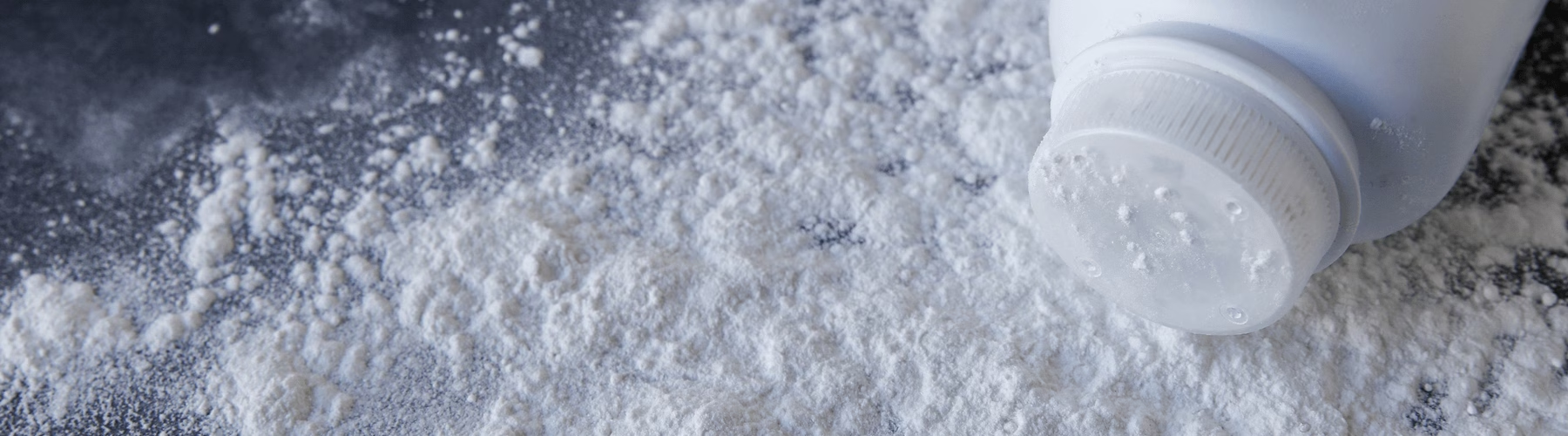
For generations, talcum powder has been a staple in many households, particularly for baby care routines. Parents and caregivers have trusted these products to keep skin dry and prevent diaper rash. However, recent concerns about potential health risks have left many families wondering whether these products are truly safe to use.
This comprehensive guide addresses the most pressing questions about talcum powder safety, legal developments, and alternatives available to concerned consumers.
The Talcum Powder Controversy: What’s Behind the Concerns?
Talc is a naturally occurring mineral composed of magnesium, silicon, and oxygen. In its powdered form, it effectively absorbs moisture and reduces friction, making it popular in personal care products. The safety concerns surrounding talcum powder primarily center on two issues: potential asbestos contamination and possible links to certain cancers.
Understanding Asbestos Contamination
The relationship between talc and asbestos stems from geological proximity. Both minerals can occur naturally near each other in the earth. When talc is mined, there exists a possibility of asbestos contamination if proper testing and purification processes are not followed. Asbestos is a known carcinogen, and its presence in consumer products poses serious health risks.
The cosmetic industry maintains that modern talc products undergo rigorous testing to ensure they are asbestos-free. However, several independent laboratory tests have occasionally detected asbestos fibers in certain talc-based products, leading to recalls and litigation.
Research on Cancer Connections
Scientific studies examining the relationship between talcum powder use and cancer have produced mixed results. Some research has suggested a possible association between perineal talc use and ovarian cancer.
Regarding mesothelioma, a cancer strongly linked to asbestos exposure, cases have emerged where individuals developed this disease after long-term use of contaminated talc products. These cases have become central to many legal proceedings.
Talcum Powder Lawsuits: Verdicts and Settlements Explained
The legal landscape surrounding talcum powder has evolved significantly over the past decade, with thousands of lawsuits filed against manufacturers of talc-based products.
Major Legal Developments
Several high-profile cases have resulted in substantial verdicts and settlements. Juries have awarded damages to plaintiffs who developed ovarian cancer or mesothelioma allegedly from talcum powder use. Some verdicts have reached hundreds of millions of dollars, though many have been reduced on appeal or are still working through the legal system.
Major manufacturers have faced mass tort litigation involving tens of thousands of claims. Some companies have established settlement funds to resolve these cases, while others have discontinued talc-based products in certain markets while maintaining the safety of their formulations.
Understanding Lawsuit Eligibility
Individuals who believe they have been harmed by talcum powder products typically pursue legal action based on several criteria. Eligibility often depends on documented regular use of talc-based products over an extended period, a diagnosis of ovarian cancer or mesothelioma, and the ability to establish a timeline connecting product use to disease development.
Legal claims generally fall under product liability theories, including failure to warn consumers about potential risks, negligent testing and quality control, and design defects related to the inherent risks of talc products.
The Settlement Process
Settlement amounts in talcum powder cases vary widely based on individual circumstances. Factors influencing compensation include the severity of illness, medical expenses and ongoing treatment needs, lost wages and earning capacity, pain and suffering, and the strength of evidence linking product use to disease.
Some settlements are reached individually, while others are part of larger settlement programs that offer compensation tiers based on specific criteria. The bankruptcy proceedings initiated by some manufacturers have complicated the settlement landscape, creating trusts to handle current and future claims.
Is Your Baby Powder Safe? A Parent’s Guide
For parents and caregivers concerned about the safety of baby powder products, understanding what to look for and how to make informed choices is essential.
Reading Product Labels
Modern baby powders come in various formulations. The key distinction is between talc-based and talc-free products. When examining product labels, look for clear ingredient listings that specify whether the product contains talc or alternative ingredients like cornstarch or arrowroot powder.
Products claiming to be asbestos-free should ideally provide information about testing protocols, though manufacturers are not always required to disclose this level of detail. Some brands now prominently feature “talc-free” or “100% cornstarch” messaging on their packaging to address consumer concerns.
Risk Assessment for Baby Care
Pediatricians and child health organizations have issued guidance regarding baby powder use. The American Academy of Pediatrics advises that baby powder is not necessary for routine infant care. If parents choose to use powder products, experts recommend:
Avoiding application near the baby’s face to prevent inhalation, which can cause respiratory irritation regardless of the powder’s composition. Using minimal amounts when necessary, applying powder to your hands first rather than shaking it directly onto the baby’s skin. Considering whether powder is truly needed, as many diaper rashes can be prevented and treated through other means, such as frequent diaper changes, barrier creams, and allowing skin to air dry.
Alternative Uses of Talc Products
Beyond baby care, talcum powder has historically been marketed for adult personal hygiene, particularly for feminine hygiene purposes. The concerns about ovarian cancer have primarily centered on this type of use. Women who have regularly used talc-based products in the genital area may want to discuss their exposure history with their healthcare providers.
Talc also appears in various cosmetic products, including makeup, dry shampoo, and body powders. Consumers concerned about talc exposure should review ingredient lists across all personal care products they use regularly.
Concerned About Past Talcum Powder Use?
If you or a loved one used talc-based products regularly and were later diagnosed with ovarian cancer or mesothelioma, you may have legal options worth exploring.
Serling & Abramson, P.C. has decades of experience representing individuals harmed by asbestos-related exposure and defective consumer products. A confidential review can help determine whether your exposure history may qualify for a claim.
Talcum Powder Alternatives: Safe Options for Every Need
Fortunately, numerous alternatives to traditional talcum powder are available, offering similar benefits without the associated concerns.
Cornstarch-Based Products
Cornstarch has emerged as the most popular talc alternative. This food-grade ingredient is derived from corn and provides excellent moisture absorption properties. Many major baby care brands now offer cornstarch-based powders that function similarly to talc-based products.
Benefits of cornstarch include natural origin and general safety, effective moisture absorption, widely available and affordable, and generally well-tolerated by sensitive skin. However, cornstarch can potentially promote yeast growth in warm, moist environments, so it may not be ideal for all situations, particularly for individuals prone to yeast infections.
Arrowroot Powder
Arrowroot powder is another natural starch that serves as an effective powder alternative. Extracted from the roots of several tropical plants, arrowroot has been used for centuries in various applications.
This alternative offers silky texture similar to talc, good absorption properties, less likely to promote yeast growth compared to cornstarch, and suitable for sensitive skin. Arrowroot powder may be slightly more expensive and less readily available than cornstarch products, but it can be found in natural food stores and online retailers.
Kaolin Clay
Kaolin clay, also known as white clay, is a mineral-based alternative that differs from talc. It absorbs moisture and oils while being generally recognized as safe for topical use.
This option provides gentle exfoliation properties, helps draw out impurities from skin, particularly useful for adult cosmetic applications, and often found in natural and organic personal care products. Kaolin clay has a slightly different texture than talc, which some users may need to adjust to.
Oat-Based Products
Colloidal oatmeal products offer soothing properties along with moisture management. Finely ground oats can help calm irritated skin while providing gentle moisture absorption.
Benefits include soothing properties for sensitive or irritated skin, anti-inflammatory compounds, suitable for eczema-prone skin, and often combined with other natural ingredients. Oat-based products may have a heavier texture than traditional powder and work best as part of a broader skincare routine rather than as a standalone powder.
Powder-Free Approaches
Many parents and individuals are choosing to forgo powder products altogether, opting instead for alternative moisture management strategies. These approaches include:
Using barrier creams or ointments that protect skin without the need for powder. Ensuring thorough drying after bathing, particularly in skin folds. Choosing breathable, moisture-wicking fabrics. Allowing skin to air dry when possible. Using absorbent cloths or gentle pat-drying techniques.
For diaper rash prevention specifically, frequent diaper changes and brief periods of diaper-free time can be more effective than any powder product.
Making Informed Decisions About Personal Care Products
The talcum powder controversy highlights the importance of being an informed consumer when it comes to personal care products.
Evaluating Product Safety
When assessing any personal care product, consider the following:
Research the manufacturer’s testing protocols and quality control measures. Look for third-party testing certifications when available. Read ingredient lists carefully and understand what each component is. Stay informed about recalls and safety alerts from regulatory agencies. Consider whether the product is necessary or if alternatives might serve the same purpose.
Understanding Regulatory Oversight
The U.S. Food and Drug Administration regulates cosmetics, including talc-based products, but the regulatory framework differs from that of drugs or medical devices. Manufacturers are responsible for ensuring product safety, but pre-market approval is not required for most cosmetics.
Following the talcum powder controversies, there have been calls for stricter regulations and mandatory testing requirements. Consumer advocacy groups continue to push for enhanced oversight of cosmetic ingredients and finished products.
Consulting Healthcare Providers
If you have concerns about past talcum powder use or current product choices, discussing these with your healthcare provider is advisable. This is particularly important if you:
Have used talc-based products extensively over many years.
Have a family history of ovarian cancer or other related conditions.
Are experiencing unexplained symptoms that concern you.
Want guidance on safe alternatives for specific skin conditions.
The Bottom Line: Balancing Safety and Practicality
The talcum powder debate illustrates how consumer products once considered completely safe can come under scrutiny as new information emerges. While definitive answers about the risks of talc use remain elusive in some areas, the availability of alternatives means families can make choices aligned with their comfort levels.
For parents, the most prudent approach may be choosing talc-free alternatives or reconsidering whether powder products are necessary at all. For adults who enjoy using body powder products, talc-free formulations provide peace of mind without sacrificing functionality.
Staying informed, reading labels carefully, and prioritizing proven safety over brand loyalty empowers consumers to protect themselves and their families. As research continues and legal proceedings unfold, the personal care product landscape will likely continue evolving toward greater transparency and safer formulations.
Ultimately, the best choice is the one that provides the functionality you need while giving you confidence in its safety. Whether that means switching to cornstarch-based products, exploring other natural alternatives, or eliminating powder products from your routine entirely, the power to make informed decisions rests with you.
Why Legal Guidance Matters in Talcum Powder Claims
Talcum powder litigation is complex and constantly evolving, particularly with ongoing settlements, bankruptcy trusts, and changing eligibility requirements.
Serling & Abramson, P.C. has a long history of holding manufacturers accountable in asbestos-related cases nationwide. Our firm focuses on building evidence-driven claims designed to protect clients’ rights and pursue the maximum compensation allowed by law.
Related Articles
April 16, 2026
Talcum Powder Facts and Alternatives
How Talcum Powder Is Made: Understanding Ingredients, Safety Risks, and Legal Options Understanding how talcum powder is made and what talcum powder ingredients are used is crucial for consumers facing serious health concerns linked to these products. With mounting evidence...
Michigan’s industrial past left a hidden legacy of asbestos exposure in factories, power plants, schools, and hospitals across the state. From Detroit’s auto industry to Kalamazoo’s paper mills and Ann Arbor’s university buildings, thousands were unknowingly exposed.