Published: April 26, 2023 · Last Updated: August 29, 2025
Asbestos in homes is still an issue today, particularly in those homes built before the 1980s. It is important to know how to identify and manage asbestos to protect yourself and your family. Asbestos is a naturally occurring mineral that was commonly used in building materials in the 20th century due to its heat-resistant and fire-resistant properties. However, it was later discovered that asbestos exposure can lead to serious health problems, including lung cancer, mesothelioma, and asbestosis.
Identifying asbestos in your home can be difficult, as it is often hidden behind walls, ceilings, and underneath floors. However, there are some building materials that more commonly may contain asbestos, including insulation, floor tiles, ceiling tiles, roofing materials, and ductwork. If you suspect that your home may contain asbestos, it is important to have it tested by a qualified professional. Do not attempt to remove or disturb asbestos materials yourself, as this can release dangerous fibers into the air.
If asbestos is present in your home, the best course of action depends on the condition of the materials and the level of risk. If the materials are in good condition and not likely to be disturbed, it may be best to leave them in place and monitor them for any signs of damage or deterioration. If the materials are damaged, crumbling, or in poor condition, they may need to be removed by a qualified professional.
Asbestos In Homes: Should I Remove It?
It is important to note that asbestos removal should only be done by a licensed and trained professional who follows proper safety protocols. They will use specialized equipment and techniques to safely remove and dispose of asbestos materials without releasing fibers into the air. It is also important to follow any local and federal regulations regarding asbestos removal and disposal.
Identifying and managing asbestos in your home is crucial for protecting the health and safety of you and your family. If you suspect that your home may contain asbestos, have it tested by a qualified professional and follow their recommendations for managing the materials. Always hire a licensed and trained professional for asbestos removal and disposal to ensure that it is done safely and effectively.
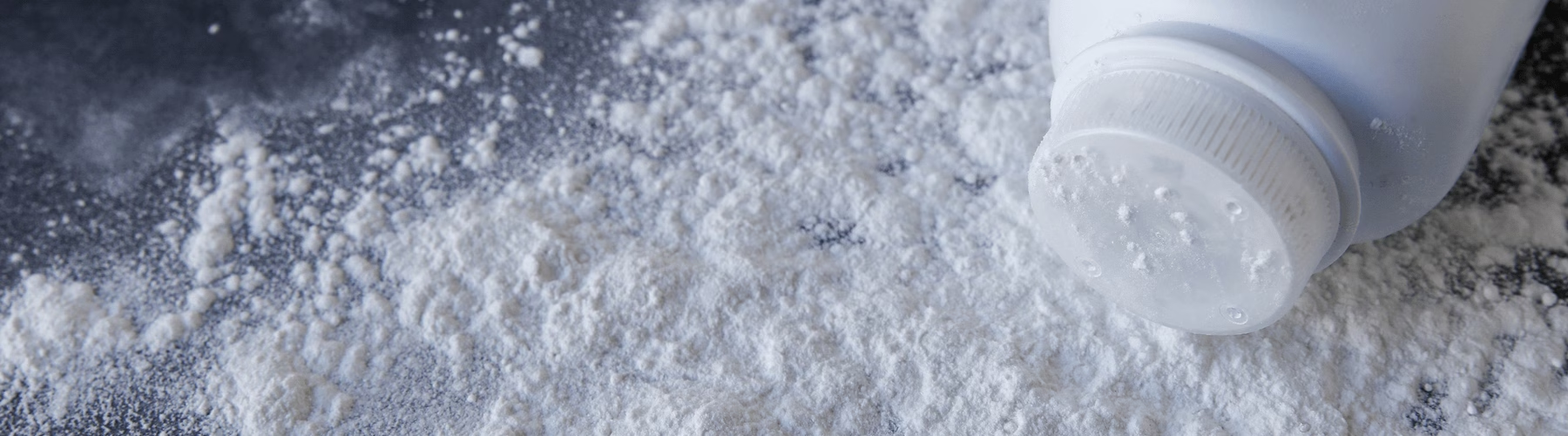
How Talcum Powder Is Made: Understanding Ingredients, Safety Risks, and Legal Options Understanding how talcum powder is made and what talcum powder ingredients are used is crucial for consumers facing serious health concerns linked to these products. With mounting evidence...
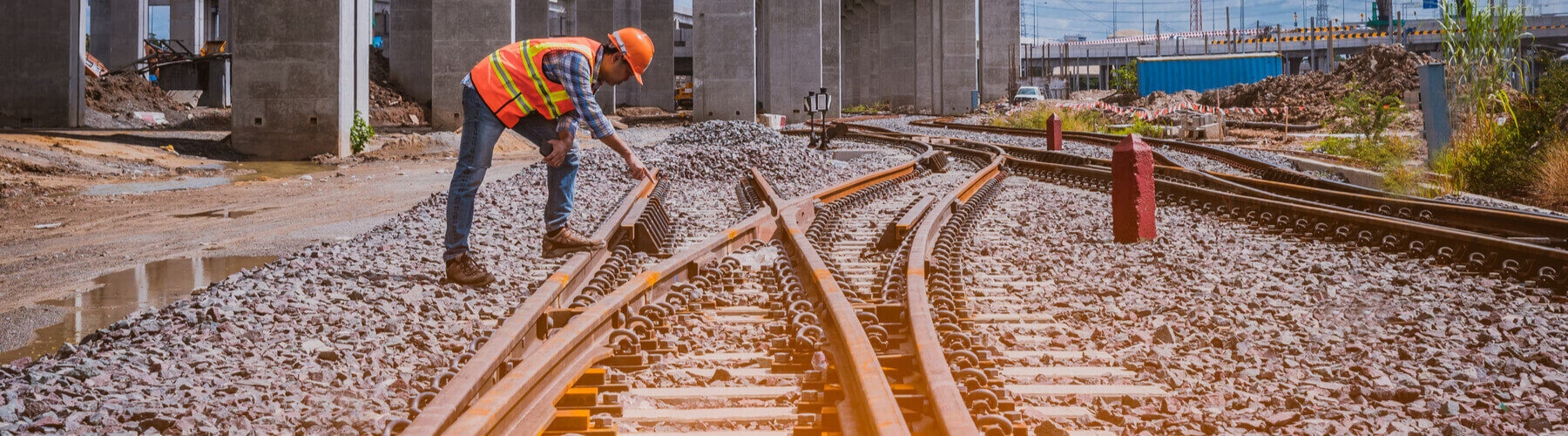
Railroad workers face significant asbestos exposure risks from aging railcars, deteriorating train tracks, and legacy equipment containing this dangerous mineral. When asbestos railroad workers encounter becomes airborne during maintenance, repair, or demolition activities, it creates serious health hazards leading to...